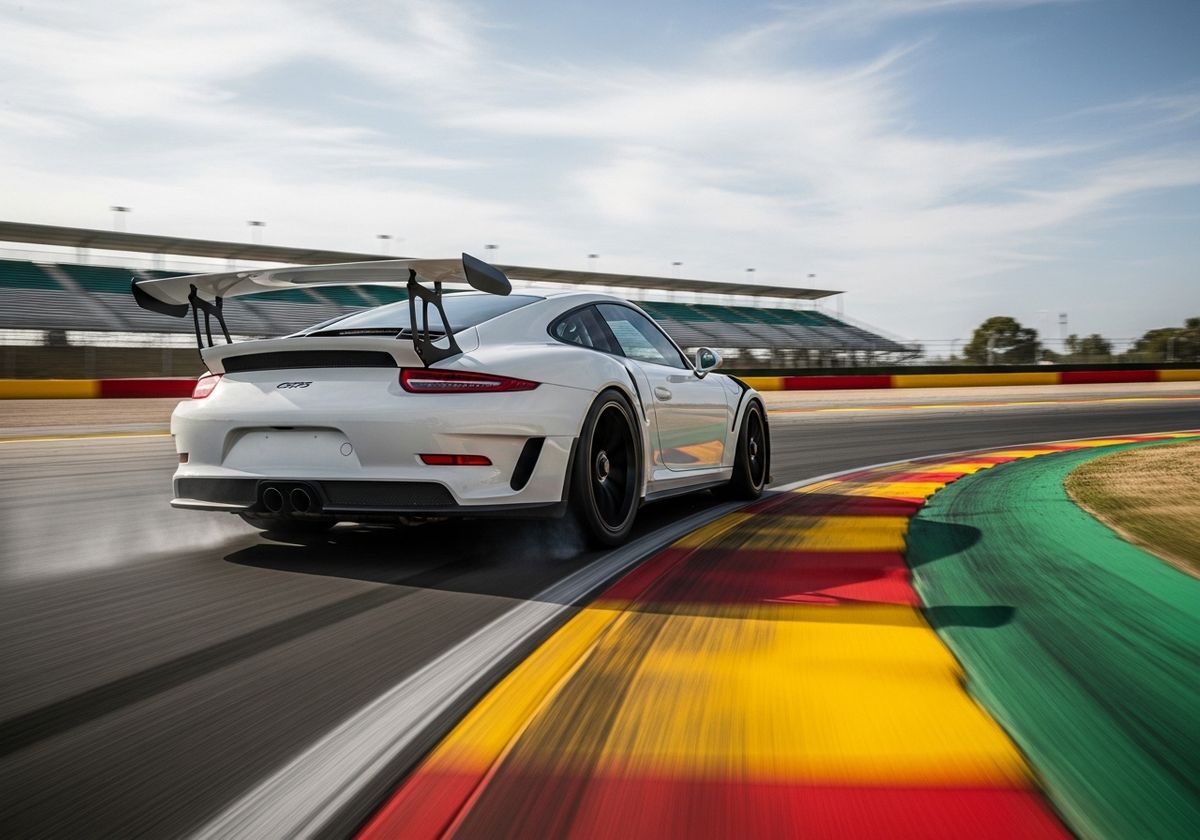
Selecting the optimal differential for your Porsche is crucial for unlocking its full performance potential, whether you're carving corners on the track or enjoying spirited drives on the road. Understanding the nuances of different differential types and their impact on handling is essential for making an informed decision. At Walter Motorsports, we've dedicated years to perfecting drivetrain solutions for high-performance vehicles, including Porsches.
Open Differentials
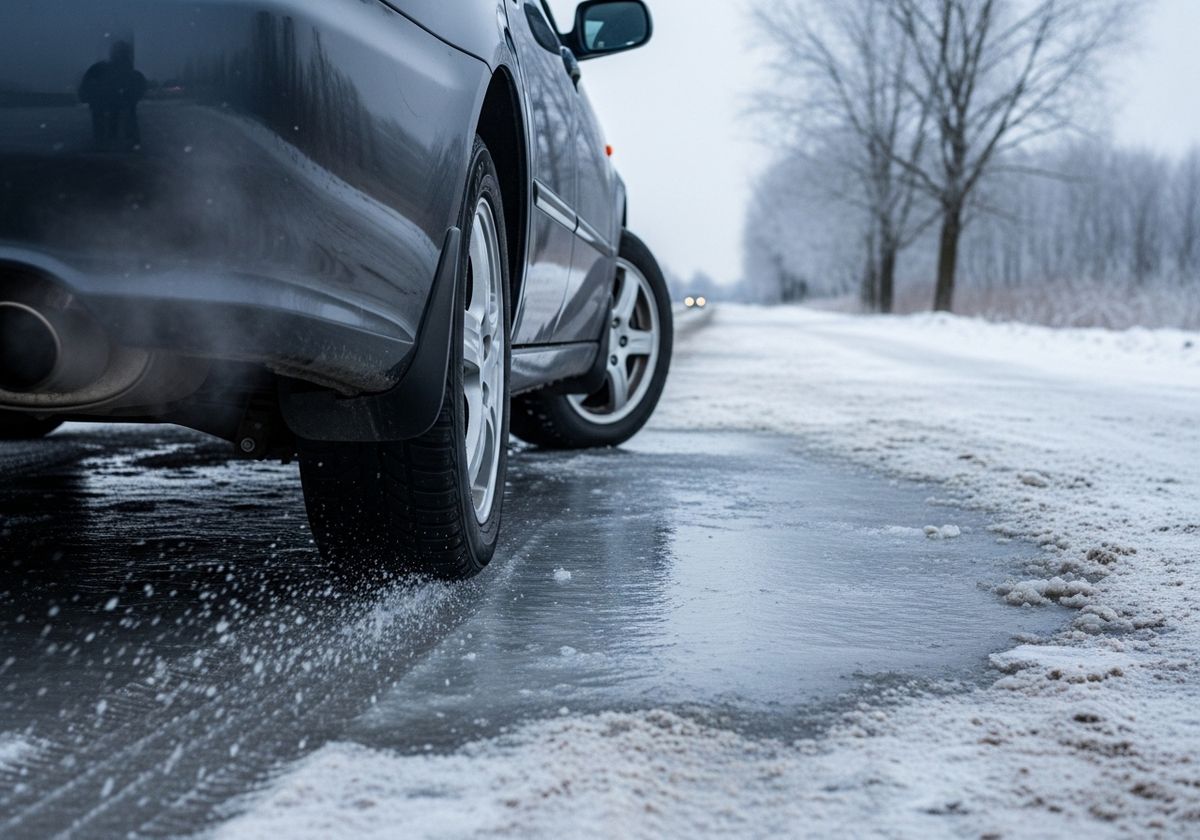
Most production cars come equipped with open differentials. These differentials allow each wheel to spin at different speeds, which is necessary for smooth turning. However, in situations where one wheel loses traction, such as on ice or when lifted during hard cornering, the open differential will send all the power to that wheel, resulting in a loss of forward propulsion. While suitable for everyday driving, open differentials are not ideal for performance applications.
Limited-Slip Differentials (LSDs)
Limited-slip differentials (LSDs) are designed to mitigate the shortcomings of open differentials. LSDs limit the amount of wheel spin by transferring torque to the wheel with more grip. There are several types of LSDs, each with its own characteristics:
Clutch-Type LSDs: These LSDs use a series of clutch plates to control the transfer of torque. They offer a progressive engagement and are known for their durability and effectiveness in a variety of conditions. However, they can be noisy and require periodic maintenance.
Torsen (Torque-Sensing) LSDs: Torsen LSDs use gears to distribute torque. They are smooth, quiet, and require no maintenance. Torsen LSDs are particularly effective in situations where there is some grip available on both wheels.
Viscous LSDs: Viscous LSDs use a fluid coupling to transfer torque. They are less aggressive than clutch-type or Torsen LSDs and are often found in older vehicles.
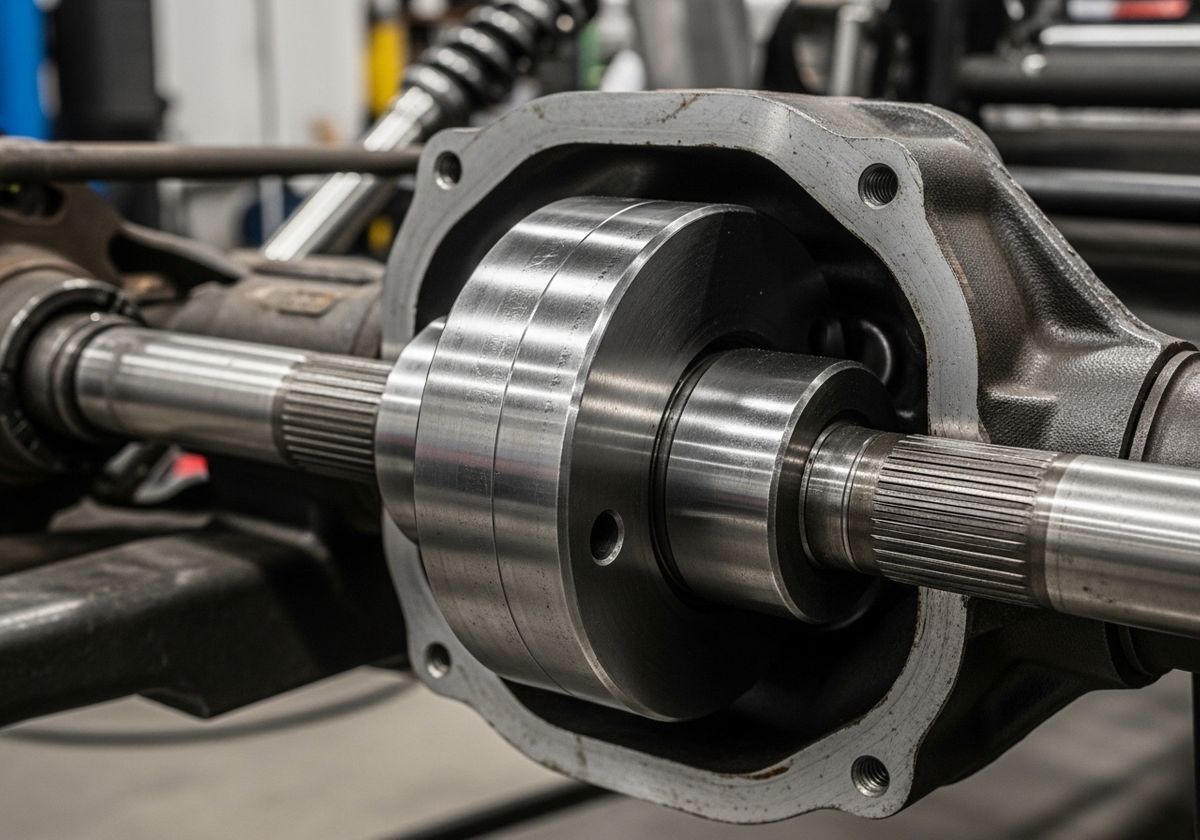
Spool
A spool is a device that locks both axles together, forcing them to rotate at the same speed. This provides maximum traction and is commonly used in drag racing. However, spools are not suitable for street use as they can cause significant handling problems.
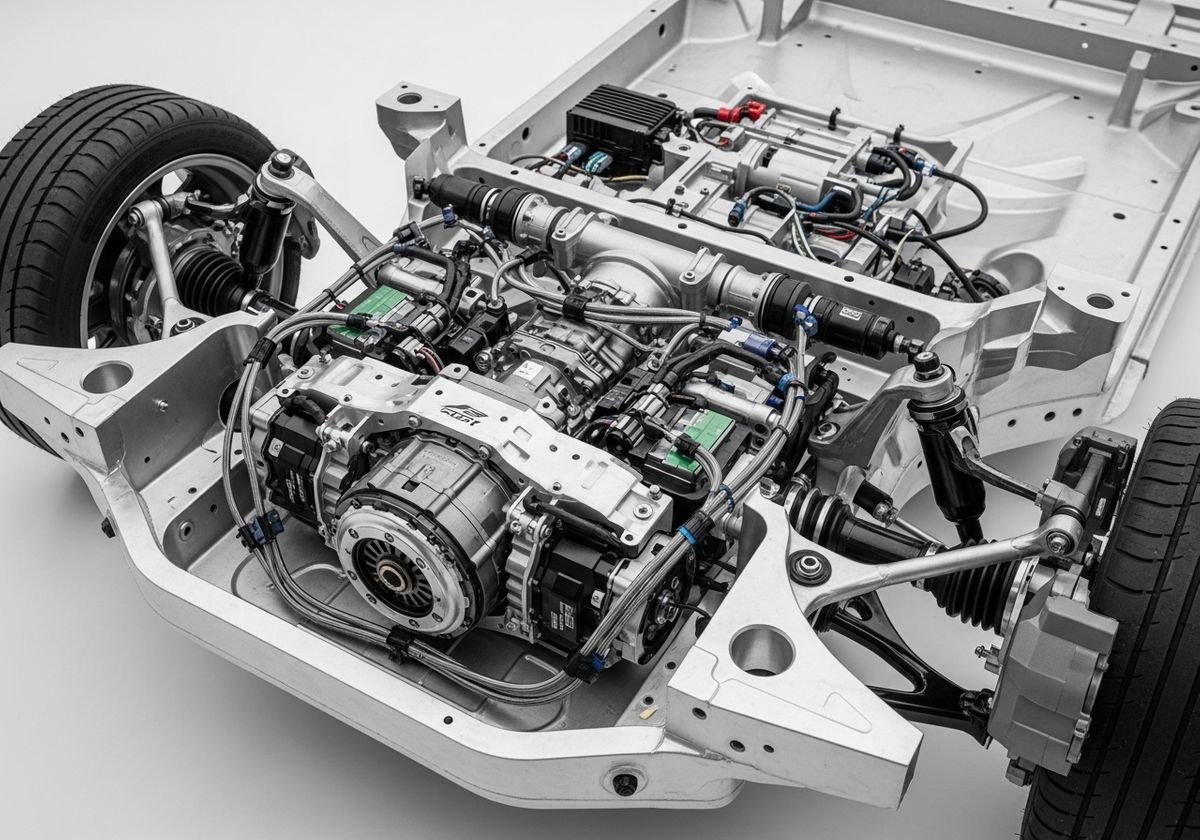
Electronic Differentials
Electronic differentials use sensors and actuators to control the amount of wheel spin. They can be programmed to suit different driving conditions and offer a high degree of adjustability. However, they can be complex and expensive.
Choosing the Right Differential
The best differential for your Porsche depends on your specific needs and driving style. If you primarily drive on the street, a Torsen LSD may be a good choice. If you race your Porsche, a clutch-type LSD or an electronic differential may be more suitable. When selecting a differential, consider the following factors:
Driving Style: How aggressively do you drive your Porsche?
Track Type: What type of track do you typically drive on (e.g., road course, autocross, drag strip)?
Budget: How much are you willing to spend on a differential?
Upgrading your Porsche's differential is an investment in performance, and at Walter Motorsports, we understand the importance of precision and reliability. Whether you're seeking enhanced traction, superior handling, or the competitive edge on the track, the right differential can transform your driving experience. Learn more about our transmission rebuilds and cryo treated gears to further enhance the performance and durability of your drivetrain!