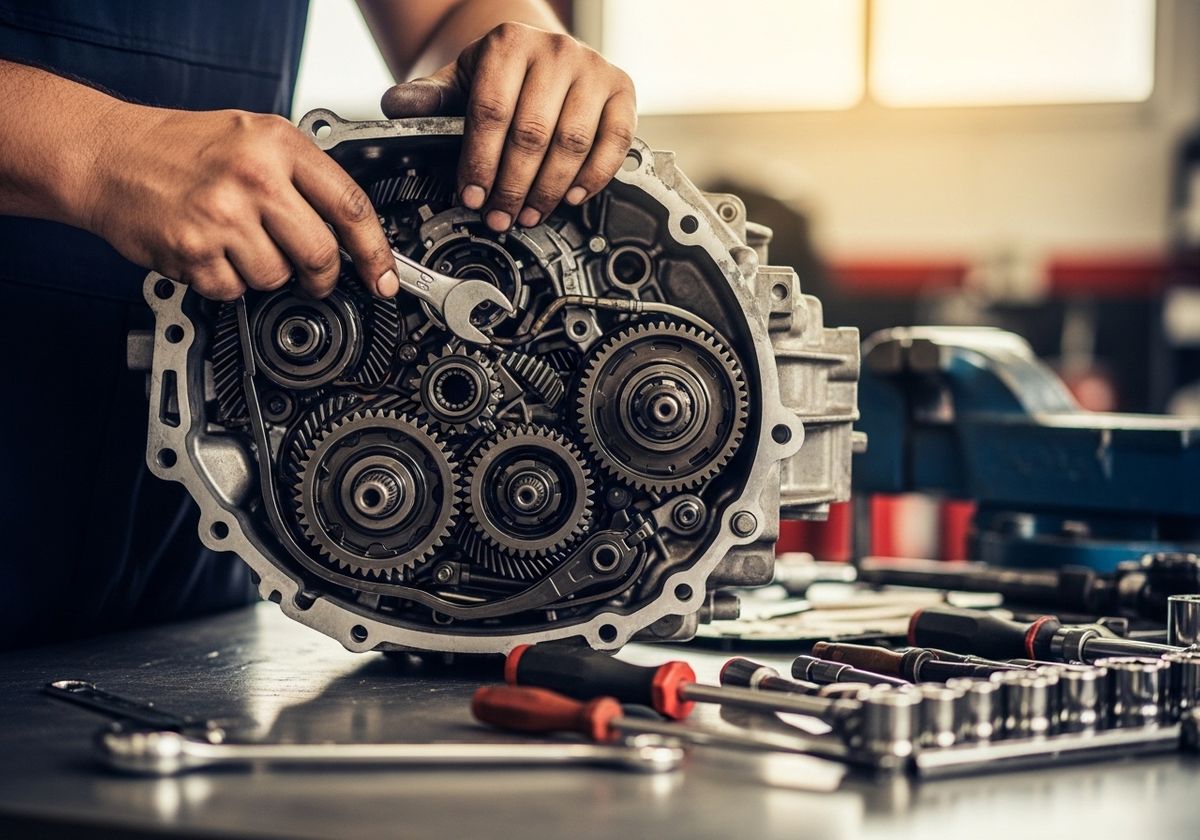
Is your vehicle experiencing unusual shifting, slipping gears, or strange noises? These could be signs of transmission trouble. Understanding the basics of transmission troubleshooting can save you time and money, potentially preventing minor issues from turning into major repairs. While professional diagnostics are always recommended, this guide from Walter Motorsports will help you identify common symptoms and understand potential causes.
Identifying Common Transmission Problems
Before diving into solutions, pinpointing the exact problem is crucial. Here's a rundown of typical transmission issues:
Slipping Gears: This is when your engine revs up without a corresponding increase in speed. It feels like the transmission is momentarily disengaging.
Rough Shifting: Noticeable jolts or hesitation during gear changes can indicate internal wear or damage.
Delayed Engagement: A pause between shifting into drive or reverse and the vehicle actually moving suggests low fluid or internal problems.
Unusual Noises: Whining, clunking, or humming sounds emanating from the transmission area are often warning signs.
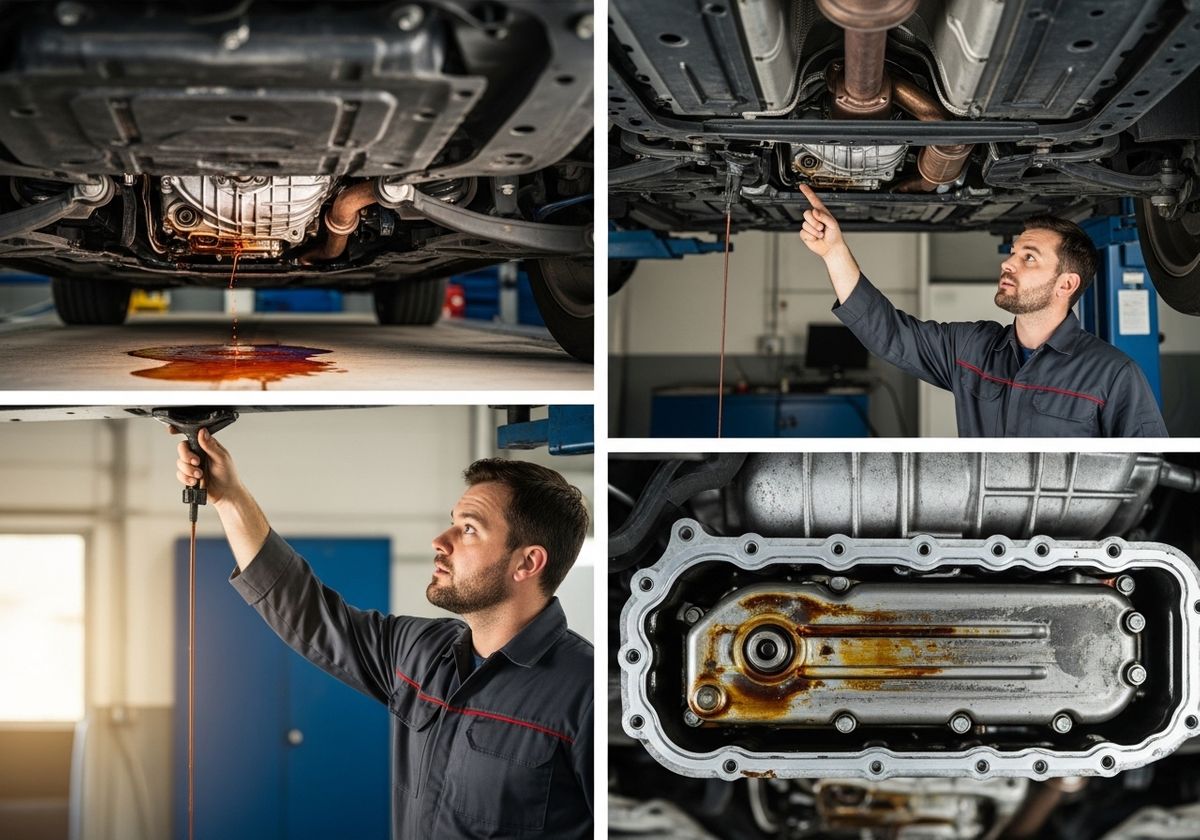
Fluid Leaks: Reddish or brownish fluid under your car could be transmission fluid. Low fluid levels can cause a multitude of problems.
Preliminary Checks and Inspections
Before assuming the worst, perform these simple checks:
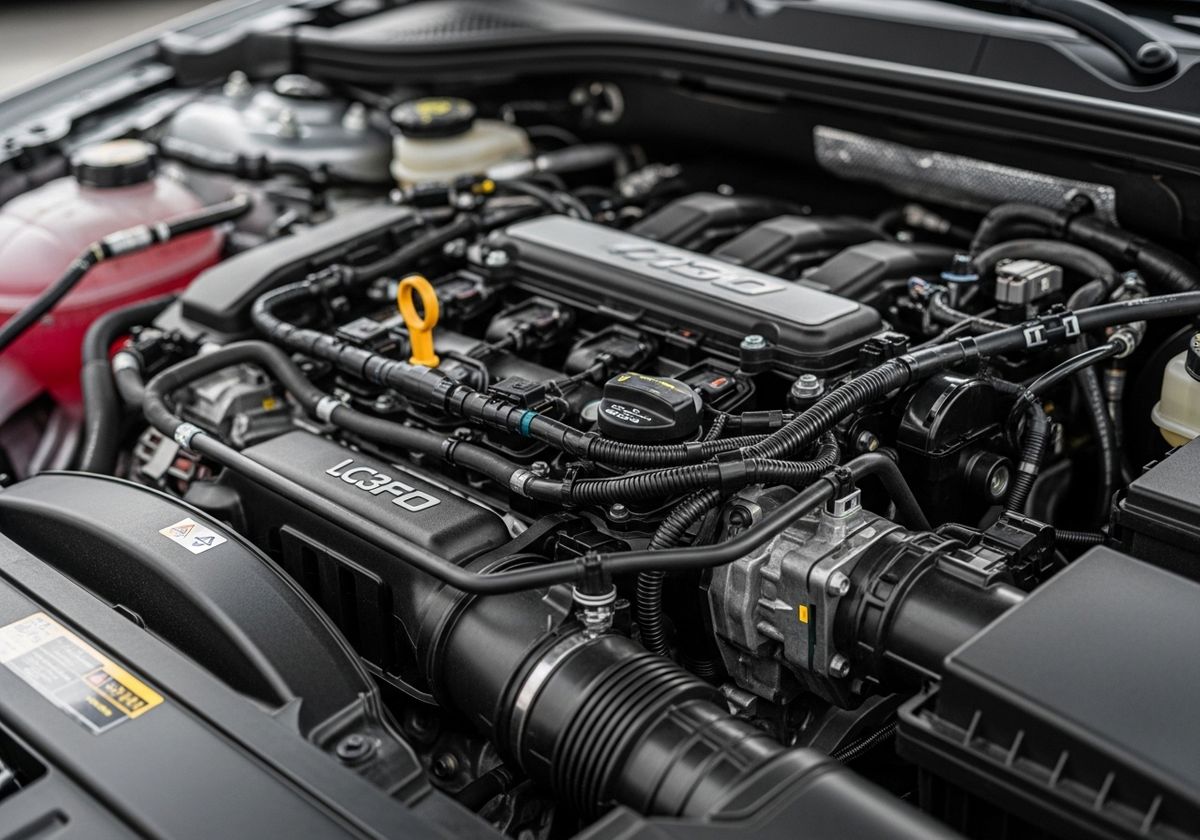
Check the Transmission Fluid Level: Use the dipstick (usually located under the hood, near the transmission) to check the fluid level. The fluid should be at the "Full" mark and have a bright red or pink color. Dark or burnt-smelling fluid indicates a problem.
Inspect for Leaks: Look for signs of leakage around the transmission pan, seals, and hoses. Even a small leak can lead to significant fluid loss over time.
Scan for Diagnostic Trouble Codes (DTCs): Use an OBD-II scanner to check for any stored trouble codes. These codes can provide valuable clues about the nature of the problem.

Addressing Specific Issues
Based on your observations, consider the following:
Low Fluid Level: If the fluid is low, add the correct type of transmission fluid as specified in your owner's manual. Monitor the fluid level closely for any further drops, which would indicate a leak that needs addressing.
Contaminated Fluid: If the fluid is dark or burnt, a transmission flush and filter change might be necessary. However, this may not resolve underlying mechanical issues.
Shift Solenoid Problems: Erratic shifting or failure to shift can sometimes be traced to faulty shift solenoids. These can often be tested and replaced individually.
Mechanical Wear and Tear: Slipping gears, rough shifting, and unusual noises often point to internal wear or damage to gears, clutches, or bearings. In these cases, transmission rebuilds are typically required. High-performance applications may also benefit from cryo treated gears to improve strength and durability.
When to Seek Professional Help
While some minor issues can be addressed with simple maintenance, complex problems require the expertise of a qualified technician. If you experience any of the following, it's best to consult a professional:
Persistent or worsening symptoms
Unfamiliar noises or vibrations
Difficulty shifting into gear
Stored diagnostic trouble codes related to the transmission
Ignoring transmission problems can lead to costly repairs or even complete transmission failure. Regular maintenance, careful observation, and timely professional intervention are key to keeping your vehicle running smoothly. Contact Walter Motorsports today to explore our custom-built transmission solutions, including meticulous rebuilds and performance upgrades, all designed to meet the demands of racers.